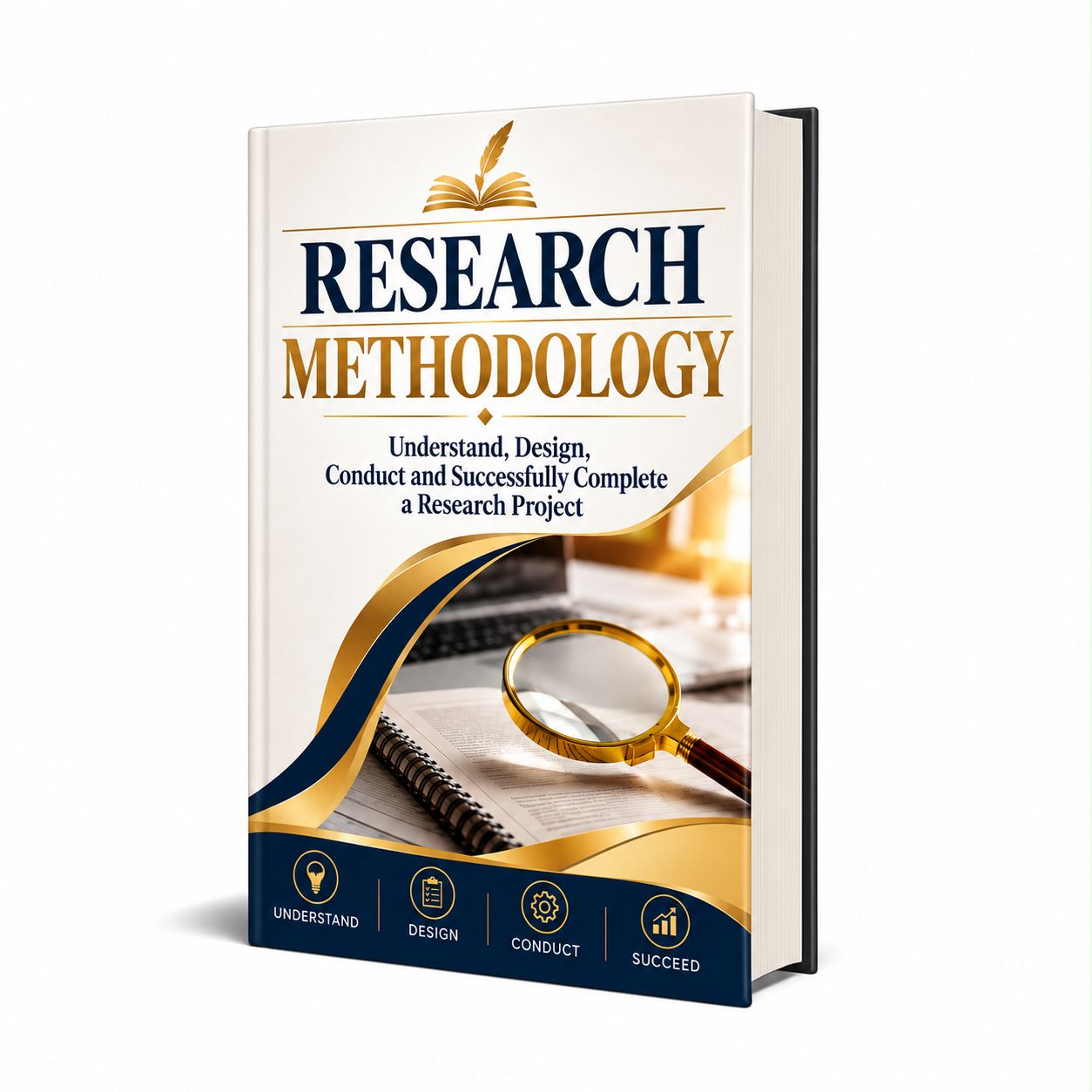
📘 Write a Clear, Well-Structured Dissertation
😓 Working hard, but your dissertation isn’t moving forward?
Your reading keeps piling up. You’re unsure how to define your research problem. You hesitate over which method to choose and worry that the next round of feedback will send you back to the beginning.
Clear steps can help you organise your work and understand every decision you make.
🧭 This guide can help you
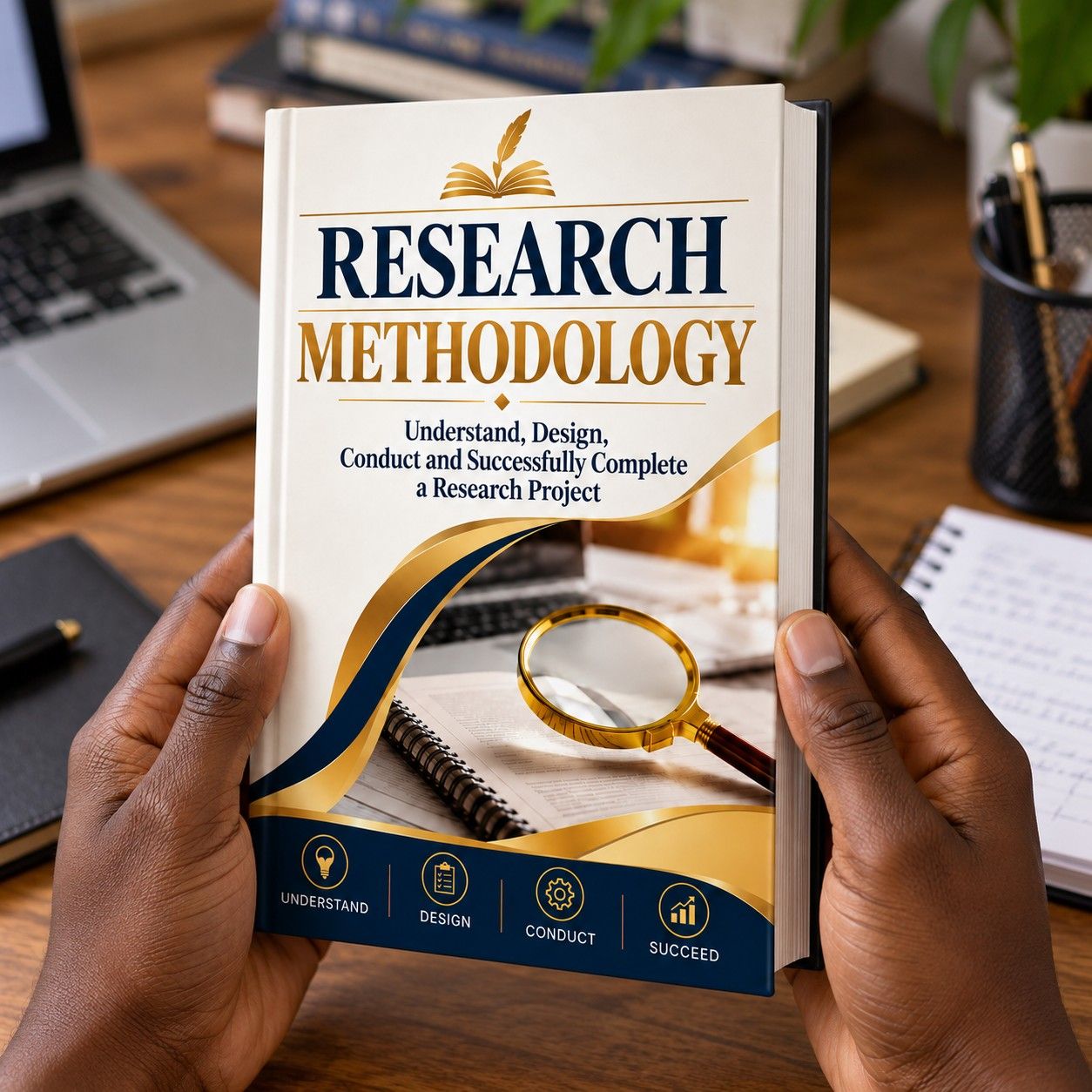
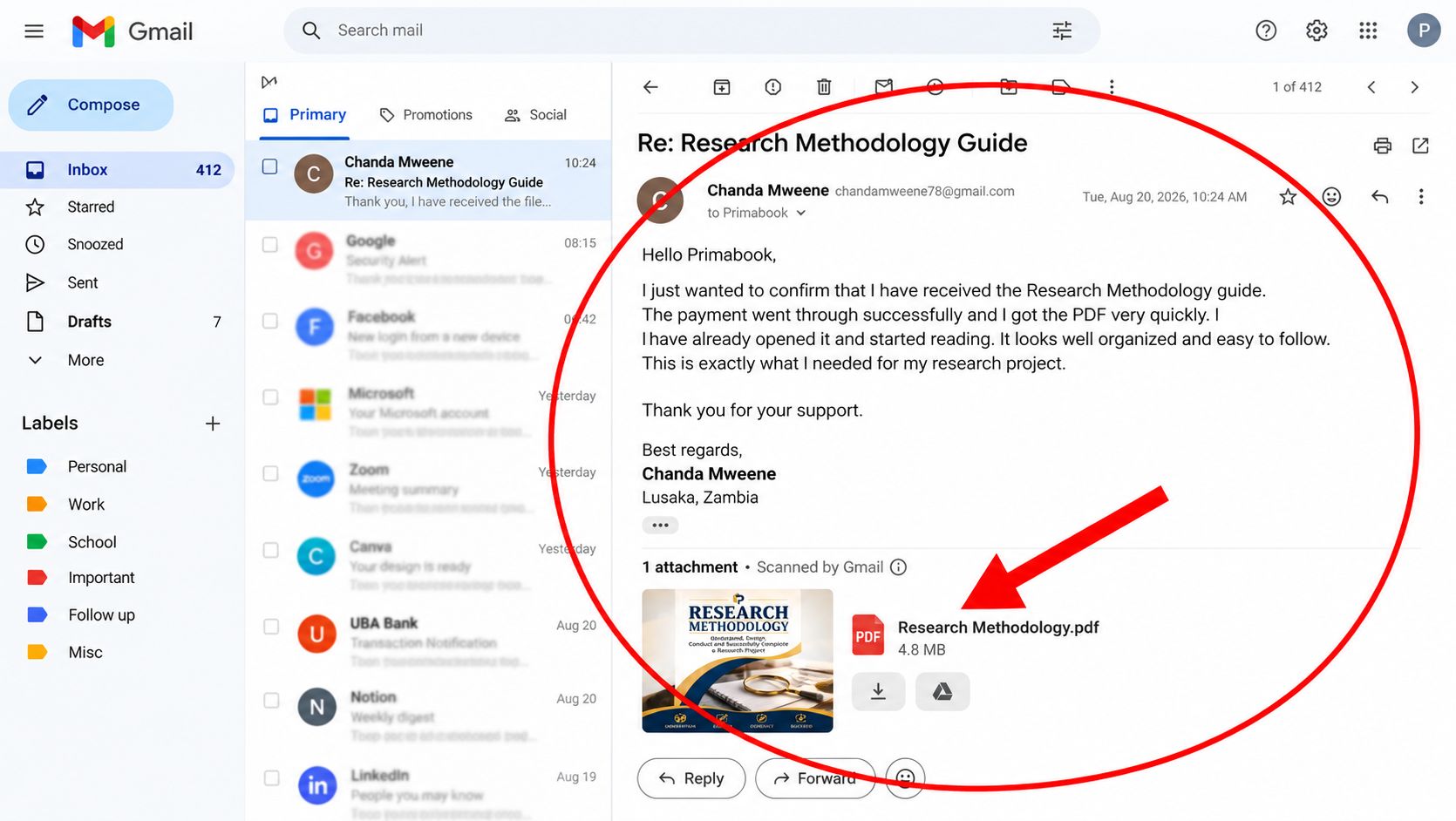
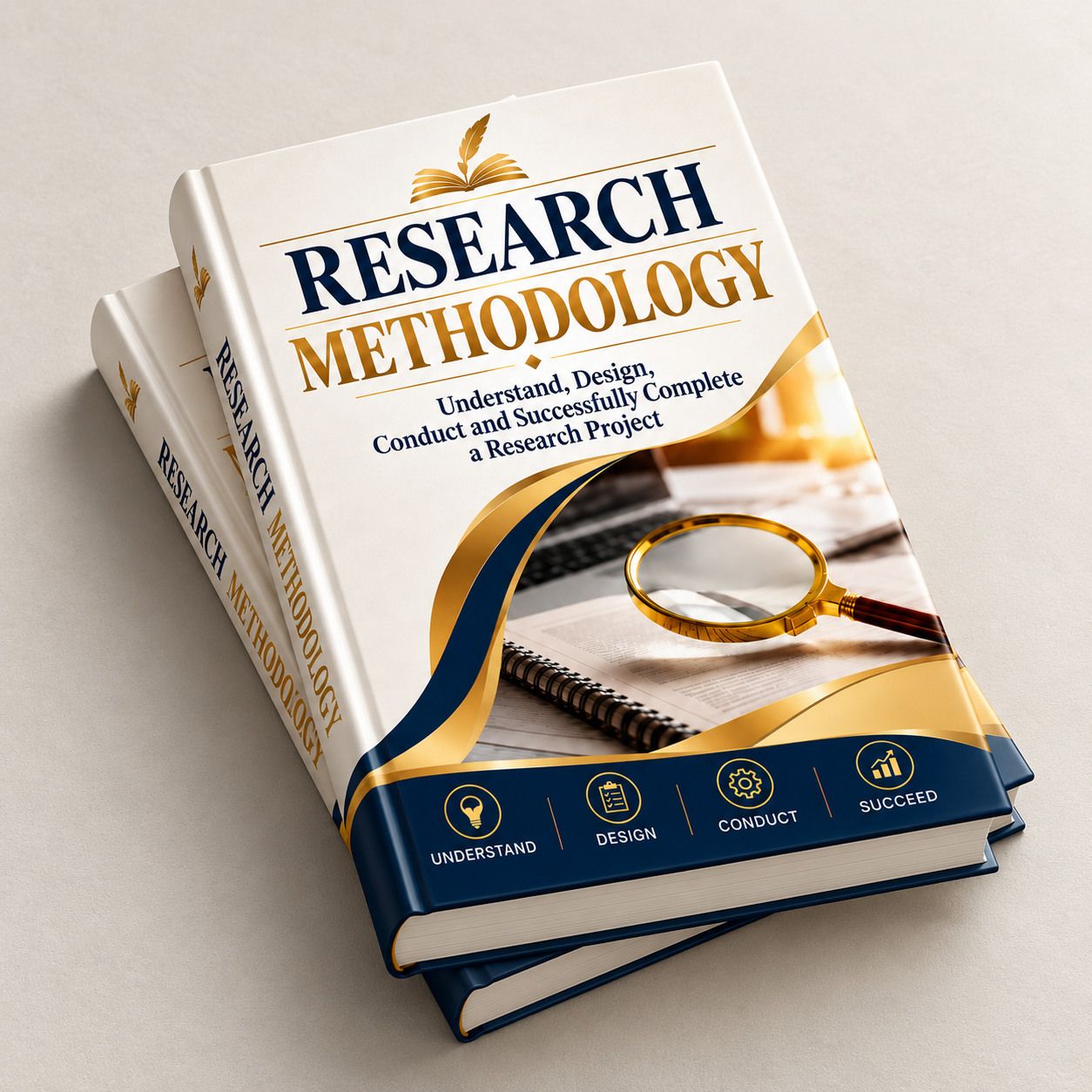
Research Methodology guides you through planning your research, writing your dissertation and preparing your defence.
Its 15 chapters combine clear explanations, examples and exercises you can apply directly to your own topic.
🎯 Inside, You’ll Learn How to:
✅ Choose a focused, realistic topic.
✅ Develop a clear research problem, questions and objectives.
✅ Find reliable sources and organise your reading.
✅ Choose your research method and explain why it fits.
✅ Prepare questionnaires or interview guides.
✅ Analyse your data and present your findings.
✅ Structure your dissertation and prepare for the panel’s questions.
🎁 Exclusive Bonuses Included
You also get access to:
📚 7 research projects, explained and corrected, to help you recognise common mistakes.
🤖 21 ready-to-copy AI prompts, to clarify your ideas and improve your research tools while following your institution’s rules.
📝 15 templates to fill in, to organise the key parts of your research.
🗓️ A 30-day action plan, to structure your research proposal before collecting data.
🔍 A method selection toolkit and 50 quality checks, to review your work before submitting it.
💡 What Makes This Guide Useful?
See how each step works. One running example follows the research process from beginning to end.
Make progress on your own dissertation. Practical exercises help you build your project as you read.
Check your work as you go. Checklists help you spot missing steps and inconsistencies.
🚀 Give Your Work a Clear Direction
Start with the difficulty holding you back, then move forward one step at a time.
👉 Download Research Methodology and complete your first exercise today.

💬 Customer Reviews
Julie ⭐⭐⭐⭐⭐
“I was reading a lot without knowing how to organise my ideas. The synthesis matrix helped me give my reading a clearer structure.”
Marc ⭐⭐⭐⭐⭐
“I struggled to separate my topic from my research problem. The explanations and exercise helped me rewrite that section more clearly.”
Sarah ⭐⭐⭐⭐⭐
“The templates are practical. I used them to put my questions and objectives side by side and check that they matched.”
Thomas ⭐⭐⭐⭐⭐
“I wasn’t sure whether to use a questionnaire or interviews. The guide helped me think about the kind of evidence I actually needed.”
Amina ⭐⭐⭐⭐⭐
“I found the checklists useful. They helped me spot unnecessary questions in my questionnaire before testing it.”
David ⭐⭐⭐⭐⭐
“The defence section gave me a starting point for preparing answers and explaining my methodological choices more clearly.”